8 Kitchen Items Shedding Microplastics Into Your Food
 Personal Growth
The 5-minute wellness digest trusted by 1.1M+ readers.
Our 5-minute wellness digest helps over 1.1 million readers cut through the noise with science-backed health insights, practical tips, and recommendations for living well.

Every day we publish stories that cut through the noise with expert insights, science-backed advice, recipes, and thoughtful tips for living well. These are the ones we think you should read.

 Nutrition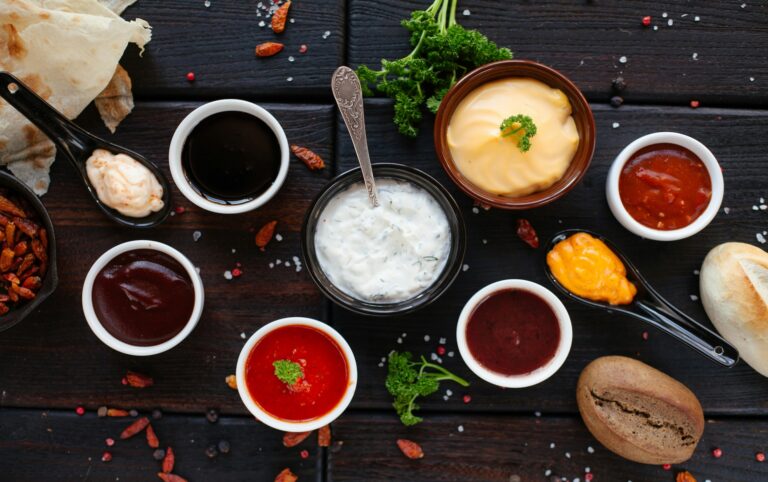
Ketchup and BBQ sauce can pack more added sugar than you'd think. Here are 7 condiments for blood sugar that bring flavor without the spike, from tangy vinegars to protein-rich Greek yogurt.
Nutrition 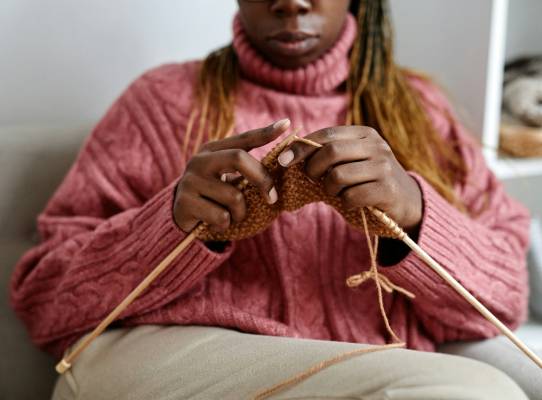
The Trend: From nonnamaxxing to grandma fashion, “grannnycore” is having a moment. Gen Z is living and dressing like their grammies — and even getting into their hobbies. Knitting and crocheting have gotten particularly popular: In increasing numbers, young adults are swapping smartphones for skeins of yarn. What People Are Saying: As social media, AI, and other tech increasingly encroach on our lives, some have responded by seeking out a more analog lifestyle, from communicating via flip phones and listening to music on vinyl to prioritizing secondhand and handmade items. While this embrace of all things analog may feel nostalgic to older adults, for Gen Z, handmade crafts like knitting and crocheting can offer a way to unplug, slow down, and support mental well-being as part of a more intentional, less online lifestyle. What to Know: Not only are knitting and crocheting fun and analog, but they’re also good for your health. Learning a new skill can help keep your cognition sharp, while hobbies that require deliberate, repetitive hand movements may lower levels of the stress hormone cortisol and calm the nervous system. Some research also suggests hands-on activities like knitting and crocheting may release oxytocin, a neurotransmitter associated with […]
 Cognitive Health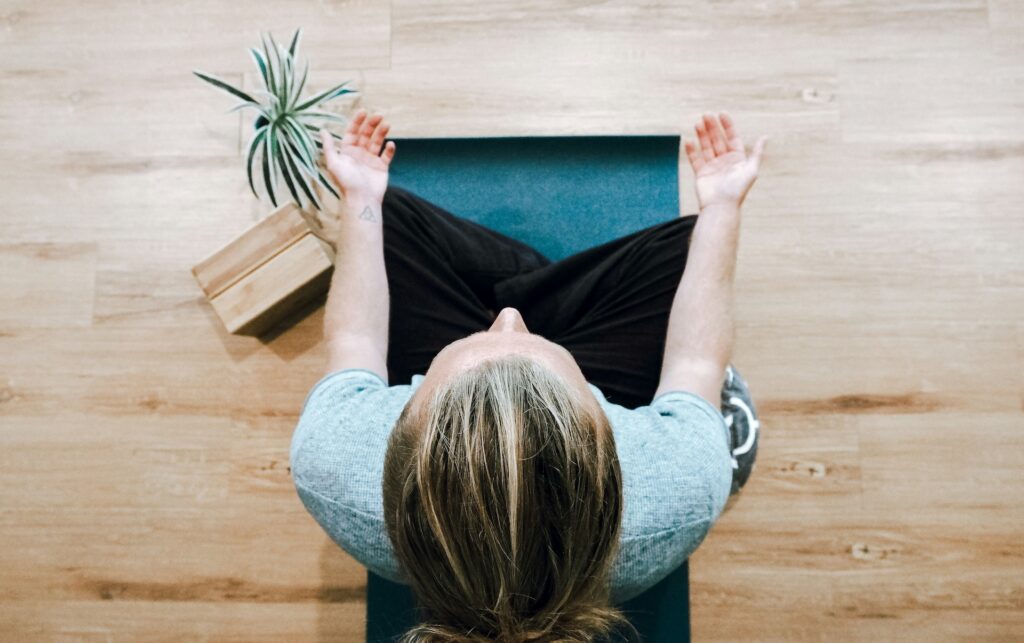
 Mindfulness
New Canadian research used AI to analyze everyday speech quirks—pauses, filler words, hesitations—and found they may offer subtle clues about how well the brain's executive function is working. The science is early, but it's a promising step toward understanding the speech-cognition connection.
Cognitive Health 
A review of over 600,000 people found that overall diet quality, not any single food, is what's linked to lower liver disease risk. Here's what the research says to eat more of, and what to cut back on.
Nutrition 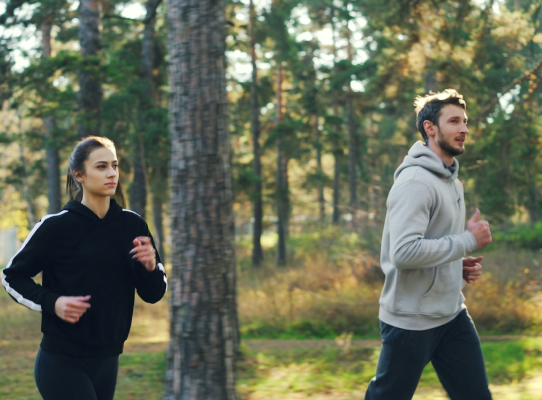
Workout Buddies: There are countless versions of “couples who do X together, stay together,” and new research out of Brigham Young University (BYU) adds exercise to the list. The findings suggest that couples who do physical activity together report higher relationship satisfaction. The Study: The researchers examined data from nearly 1,700 young married couples in the U.S. Each couple reported how frequently they exercised, individually and together with their spouse. They also reported assessments of “marital communication, conflict resolution, and conflict.” After analyzing the data, the researchers concluded that exercising together was significantly associated with improved conflict resolution, better communication, and lower overall levels of marital conflict. The number-one reported form of joint exercise was walking, which the researchers said provides an opportunity for conversation. Takeaway: Exercising with your spouse could improve your relationship by way of improving communication and conflict resolution skills. And it doesn’t have to be costly or intense: taking a simple walk seems to be impactful. Keep in Mind: You don’t have to do everything together, all the time. Some marriage counseling professionals say that couples with different hobbies can thrive, too.
 Fitness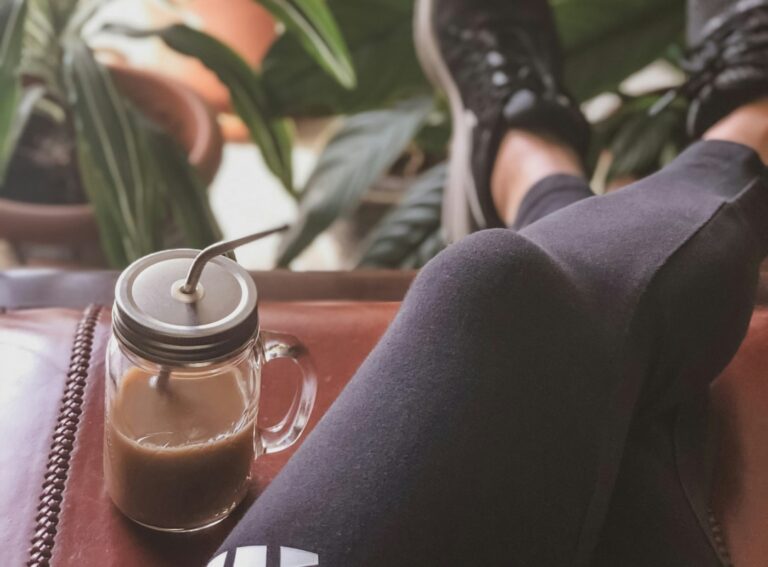
Rise and Grind: Lots of gym goers swear by caffeine to give their workouts an extra boost, while others drink a cup of coffee before lifting and feel nothing. Research has shown that caffeine can improve athletic performance and focus, but if you’re not seeing much of a difference, it may not be all in your head. A new study looked into why caffeine affects people differently during workouts and suggests the answer may trace back to genetics. The Study: Researchers ran a randomized, placebo-controlled crossover trial with 94 resistance-trained men and women, sorted into three groups based on which version of the CYP1A2 gene they carried, which influences how quickly the liver metabolizes caffeine. Each participant then took three milligrams per kilogram of caffeine or a placebo before bench press and squat tests, and researchers measured how fast they moved the weight. Caffeine improved strength and endurance performance overall, but those with the fast-metabolizing version of the gene saw the biggest gains. The Takeaway: If your coffee never seems to hit before a workout, that might be your biology talking, not a lack of effort. Keep in Mind: This research focused on one specific caffeine dose and two specific […]
Fitness 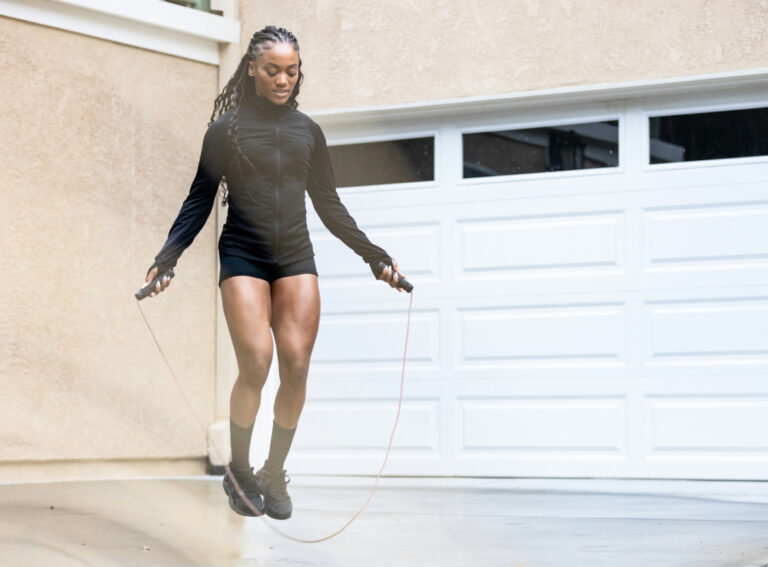
Home Work: It’s easy to come up with reasons not to exercise. We might not have much free time or feel comfortable working out at a gym or have room in the budget for a trainer or membership. But it is possible to get a solid workout at home, according to a new study of older adults. The Study: Researchers set out to eliminate one main exercise obstacle — going to the gym — to see if participants could get results on their own at home. 20 healthy participants aged 61 to 74 (11 women and nine men) first spent eight weeks following their usual routines and levels of activity. As a comparison, they then spent eight weeks doing a short but challenging HIIT workout on a non-weight-bearing ergometer (think at-home rower or stationary bike) four days a week, supervised with video monitoring. Researchers did body-fat scans and measured their V02 max before and after each period. The Takeaway: Fitness levels declined in the first period, but then increased during the HIIT phase. The participants also lost some fat and pounds during the HIIT period. All of this indicates that people in their older age can still see fitness gains — […]
Fitness 
The Trend: Running, historically one of the most affordable forms of fitness, is being positioned as a luxury lifestyle. Fueled by gorpcore-esque brands like Bandit, Satisfy, and District Vision that cater to affluent customers with an angle toward exclusivity, running has taken on an identity unattainable by many (or most). What People Are Saying: Luxury running brands selling high-ticket athleisure are really selling more than the clothes. The appeal of these brands is partly performance, but also design, craftsmanship, and exclusivity. District Vision, for example, has built a cult following around minimalist aesthetics and highly technical products, while Satisfy leans into a punk-inspired, rebellious identity. As runners increasingly see their gear as part of a broader lifestyle, not just something worn for exercise, they are willing to spend more: some reports say runners spend nearly $1,500 per year on the sport, when the true essentials cost much less. What to Know: Running is still accessible and affordable. You can still lace up your old kicks and run out the door in whatever athletic clothes you own. If you can afford luxury running clothes and want to try them, that’s fine, too — just remember that luxury gear might make running […]
Fitness 
Ashwagandha, magnesium, omega-3s, and more all claim to lower cortisol, but does the research back it up? Here's what six popular supplements to reduce cortisol can (and can't) do, plus the lifestyle habits that may matter more.
Nutrition 
Coffee before or after breakfast: does the order really matter? Here's what the science actually says about energy, digestion, and blood sugar, plus how to keep your daily cup healthy either way.
Nutrition 
From Buffalo tofu wraps to tempeh noodles, these 8 high-protein vegetarian meals pack 25+ grams of protein per serving. Easy to make, easy to prep ahead, and built to keep you full.
Nutrition 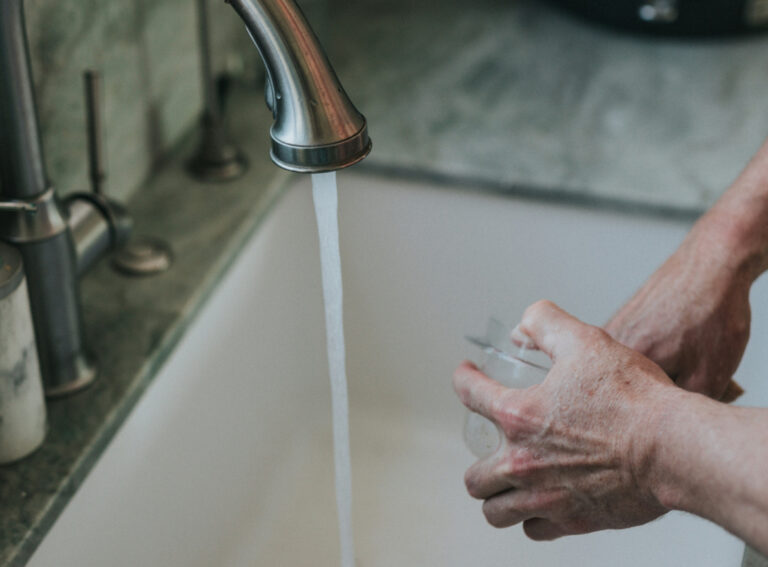
Scrub Up: Avoiding nasty pathogens that can cause salmonella poisoning, cyclosporiasis, and other illnesses are top of mind for many of us these days. Handling, washing, and cooking food properly does a lot to decrease the risk. Deep-cleaning the space where you prepare that food — your kitchen — is also crucial. How to Do It: Certain parts of the kitchen are germ magnets. Ditch the sponge for a dish-scrubbing brush: Their bristles dry faster and are therefore less hospitable to germs, and they can be sanitized in a hot dishwasher cycle. Wipe countertops with paper towels or reusable cloths that are sanitized often in the dishwasher or washing machine. Disinfect your sink at least once a week with diluted bleach. Let it sit for a few minutes, then unplug the sink so it can run down the drain. Boil or run metal drain baskets through a dishwasher at least once a week. Cold doesn’t kill all germs, so two to three times a year, empty and disinfect your ice maker. It’s obvious, but bears repeating: Wash hands frequently and thoroughly when cooking. The Benefits: Cases of foodborne illnesses are increasing. Keeping your kitchen clean can prevent pathogens from lingering […]
Nutrition 
Is it better to shower in the morning or at night? It's an even split among Americans — and both camps have science on their side. Here's what each does for your body.
 Sleep
Sleep 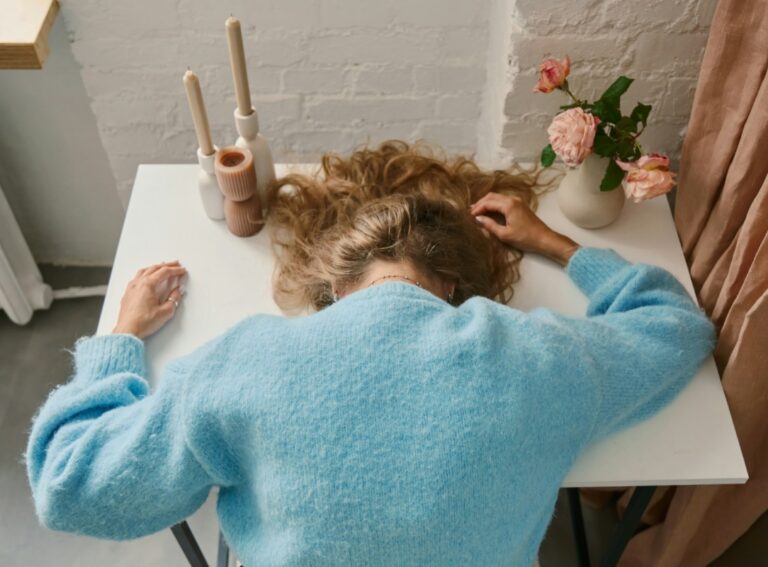
Cannabis-Cortisol Connection: Frequent cannabis use may be linked to changes in the body’s natural stress response, according to new research from Oregon State University. The study found that people who frequently used cannabis had higher levels of cortisol — the hormone involved in regulating stress — when they first woke up than people who didn’t use cannabis. The Study: Researchers focused on the cortisol awakening response (CAR), a normal surge in cortisol that occurs shortly after waking and helps prepare the body for the demands of the day. Interestingly, the size of that cortisol increase was similar between cannabis users and nonusers. The difference was that frequent users started the morning with more cortisol already circulating in their bodies, and then still experienced the increase. Takeaway: Frequent cannabis use could disrupt the body’s natural stress response. Stress is also one of the most common reasons people report using cannabis, raising the possibility of a feedback loop in which cannabis use and stress regulation influence each other. Keep in Mind: The study does not prove that cannabis causes elevated cortisol, nor that elevated cortisol causes people to use cannabis. More long-term research is needed to understand the relationship. However, the findings […]
Sleep 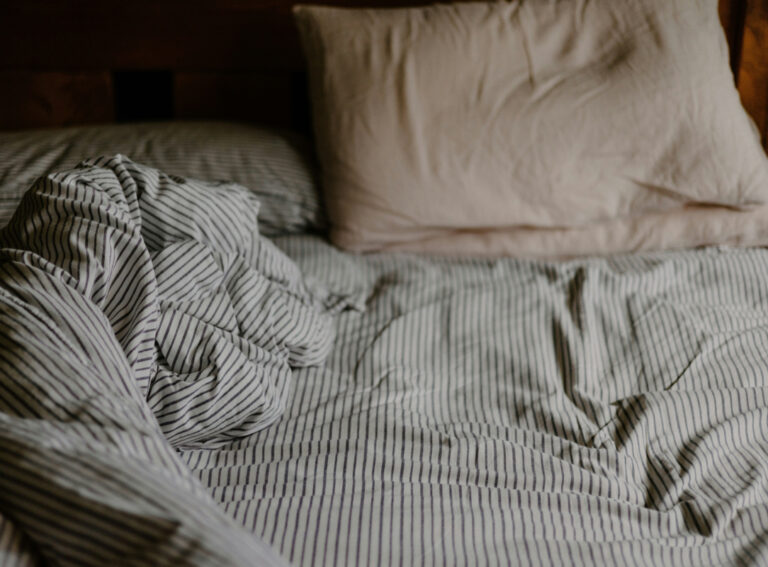
You Should Know: Making your bed may give you a sense of accomplishment and order to start the day, but there’s a case for leaving it unmade for a little while. Overnight, your body releases moisture through sweat and breathing (as much as 700 mL!), and immediately covering that damp bedding can create a warmer, more humid environment where dust mites thrive. Experts suggest pulling back the covers and letting your bed air out for 30 to 60 minutes before making it. Going Deeper: The gross-out factor may be bigger than the actual health threat. Dust mites are microscopic creatures found in many homes, and their droppings and body fragments can trigger allergies and asthma, but they don’t generally make healthy people sick. The bigger concern is for people who are sensitive to them, like those with severe allergies. Keeping indoor humidity below 50%, washing bedding weekly, and using allergen-proof mattress and pillow covers can help reduce exposure. Takeaway: You don’t have to choose between a tidy bedroom and a healthier sleep environment. Simply make your bed later — after you’ve showered, had coffee, or have otherwise given your bedding some time to breathe. Bottom Line: Making your bed isn’t […]
Sleep 
It’s a Hot One: The summer of 2026 is on track to be one of the hottest summers on record, per the NOAA. Most of the U.S. has a heat index forecast for August of at least 80 degrees Fahrenheit. Some parts of the U.S. are expected to fall into “extreme caution” and “danger” zones. If you live in an area where air conditioning isn’t the norm (hi, SoCal) you may have noticed that it’s hard to sleep in this heat. We’ve got a few tricks to help. How to Sleep Well in the Heat: Invest in sun-blocking drapes and keep them drawn in the afternoon to prevent your home from warming up too much before bedtime. Use fabrics like bamboo or linen for bedding — same for pajamas (we really like this brand). Consider stashing your pillowcase in the freezer for 15-20 minutes before bed (yes, it works!). And if you find yourself getting frustrated, don’t lie in bed and suffer. Try reading, coloring, or another low-stim activity until you feel sleepy again. The Benefits: Sleep deprivation, even a mild case, can lead to brain fog, low mood, irritability, memory problems, weakened immunity, and more. When you sleep well, […]
Sleep 
Stinking Thinking: Ever have the experience where one critical comment plays on repeat in your head? Well, your brain’s default mode network (which switches on whenever you’re not focused on anything in particular, like in the shower or lying awake at night) may be to blame. A 2023 study scanned the brains of 53 women while they listened to critical comments and praise. Those at higher risk for depression showed more activity in this network after hearing criticism, but not after hearing praise. Researchers think the brain can be primed to latch onto criticism, but luckily, harnessing your brain’s neuroplasticity can help you break the pattern. How to Do It: There’s a reason why affirmations remain so popular — they really work. So try saying the opposite out loud (something simple like “I handled this before” or “I’m doing fine” works best) next time you find yourself caught in a rumination spiral. Do it enough, and you’ll end up creating new neural pathways inside your brain. The Benefits: Giving yourself positive affirmations basically gives your brain new material to practice instead of the old script. If you repeat it enough, your mind will find evidence to back it up, effectively […]
Mindfulness 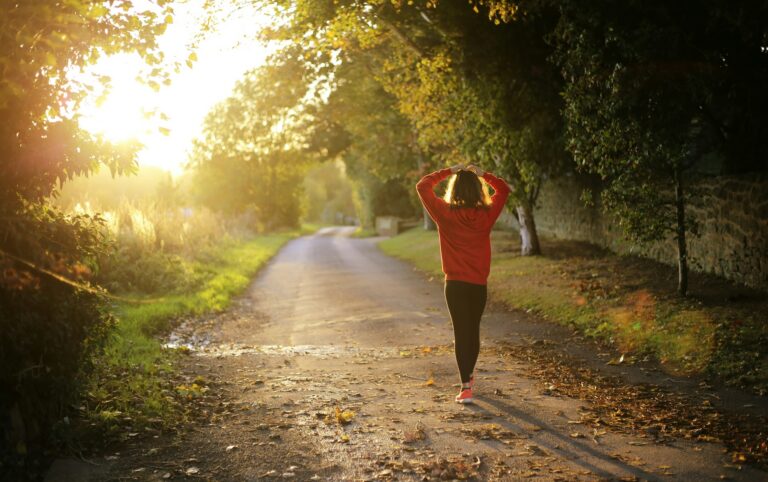
Setting goals is easy, but achieving them is hard, and talking about them too soon can backfire. The WOOP goal setting method gives you a practical, research-backed framework for turning wishes into action by planning for the obstacles that get in your way.
Mindfulness 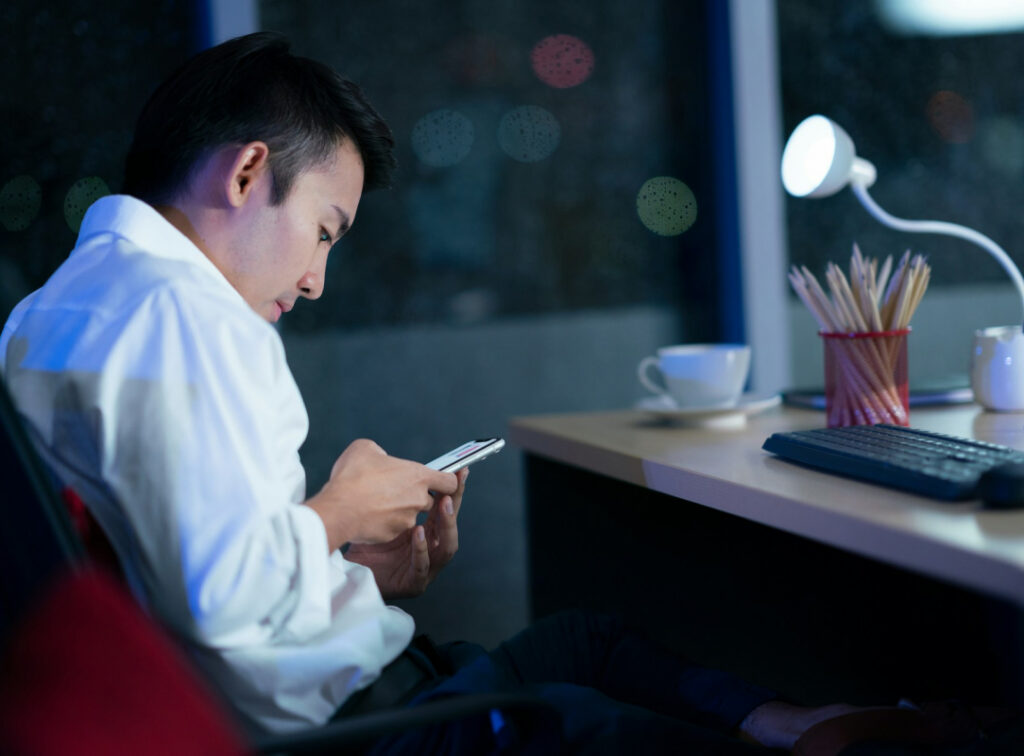 Mindfulness
The Trend: Gen Z’s infamous “maxxing” trend continues with the development of “voicemaxxing.” Closely linked to “looksmaxxing,” this viral trend has young men humming, practicing diaphragmatic breathing, and hydrating to achieve their “best” voice. This might not sound so bad until you factor in the mewing, neck crunches, mouth-taping, and other speculative practices encouraged by downloadable guides and AI voicemaxxing apps that are profiting off of insecurity. What People Are Saying: Singing teachers may approve of humming and breathing exercises, but the proof stops there. Adding depth and volume to your voice comes from releasing tension in your jaw, not building up your neck muscles like some guides promote. And while studies have shown that women tend to prefer deeper voices in men, they also suggest that faking a deeper voice does not make men more attractive to women. What to Know: Ranging from “bigorexia” to literal bone-breaking surgery to unnecessary TRT, men are facing more appearance-focused troubles than ever. If you’re experiencing anxiety over your voice, appearance, or age, it’s worth visiting a mental health professional. And try to resist the urge to give your money to an AI app that tells you what’s “wrong” with your face or […]
 Beauty
You Should Know: It’s a pretty common summertime sight: kids’ lathered with sunscreen and donning sun hats and long-sleeve swim shirts at the beach. Parents may be mostly concerned with preventing the immediate pain and discomfort of a bad sunburn — but it may also have a long-term benefit. Research suggests even one bad sunburn in childhood and adolescence can increase your risk of skin cancer later in life. Going Deeper: The damage from a severe sunburn goes far deeper than just redness on the skin’s surface. Dermatologists call bad sunburns — the ones that cause blistering and peeling skin — “life-changing sunburns.” That’s because they can cause extensive DNA damage and mutations, which accumulate over time and can lead to skin cancer. The risk of getting deadly melanoma as an adult more than doubles with five or more sunburns or even one severe childhood sunburn. Takeaway: Adults and kids alike should protect their skin from UV rays, but children are more vulnerable to life-changing sunburns. They tend to spend more time outside, and their skin pigment–producing cells are biologically different from adult cells. Bottom Line: Be vigilant with children’s sun protection; apply (and reapply) sunscreen regularly, dress them in […]
Beauty  Beauty
Silicone is sold as a "plastic-free" alternative, but does silicone have microplastics? Here's what the research actually says about its safety compared to petroleum-based plastics, and when it's smart to reach for glass or stainless steel instead.
Personal Growth 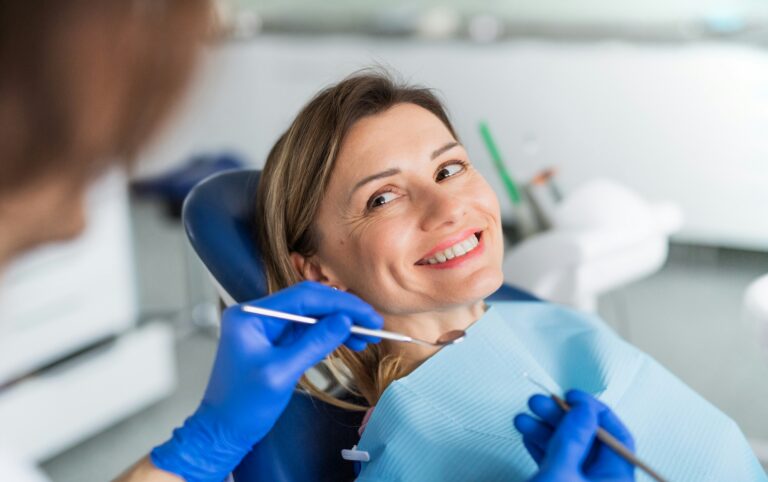
From skipping floss to sipping soda all day, these are the everyday habits quietly wearing down your enamel, plus the simple swaps dentists recommend instead.
Personal Growth 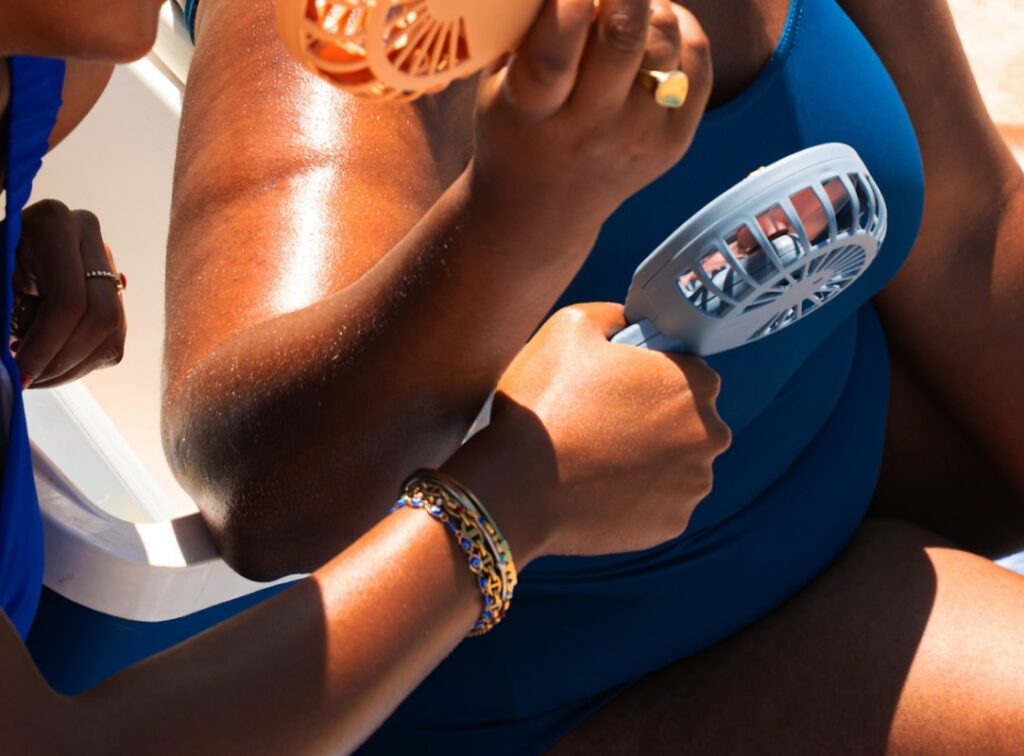 Personal Growth
 Hormonal Health